 Adam Smith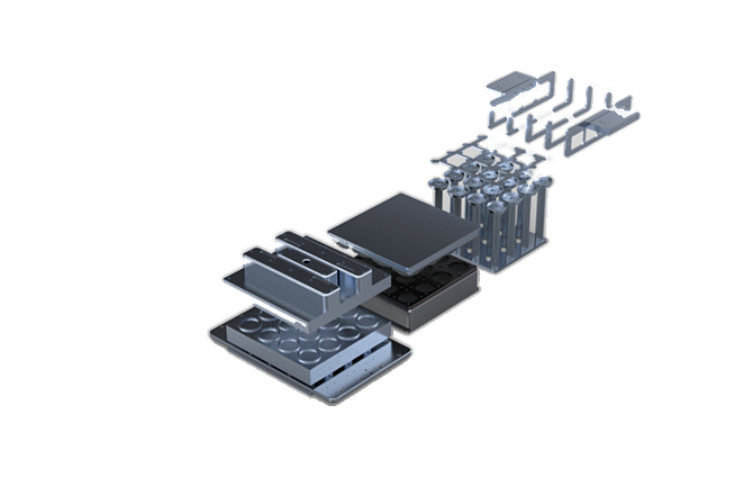
In the world of plastic manufacturing, innovation is key to enhancing productivity, reducing costs, and maintaining high-quality output. One such innovation is the use of the 3 Station Mould (or 3 Station Mold), a versatile and efficient tool that plays a vital role in thermoforming and injection molding processes. As industries strive for faster production times and improved efficiency, the 3 Station Mould has become an indispensable component in the plastic molding sector, offering several benefits that improve operational performance.
What is a 3 Station Mould?
A 3 Station Mould is a specialized mold design used in the plastic molding process, typically found in thermoforming or injection molding applications. As the name suggests, it consists of three distinct stations or cavities, each of which plays a critical role in the overall production cycle. This multi-station design allows for simultaneous processing of multiple components, enabling faster production cycles and higher efficiency compared to traditional single-station molds.
Each station in the 3 Station Mold is designed to handle a different part of the production process. The three stations often work in a synchronized manner, allowing for the continuous movement of materials through the various stages, such as heating, forming, and cooling. The mold’s design can vary depending on the product being produced, but the essential advantage remains the same: increased productivity and minimized downtime.
How Does a 3 Station Mould Work?
The functioning of a 3 Station Mold can be broken down into several key stages:
Station 1 – Heating and Material Preparation:
In the first station, the raw plastic material (usually in sheet form for thermoforming) is heated to a temperature where it becomes soft and pliable. The material is then prepared for molding by placing it in the first cavity. In some injection molding applications, this station may also involve the injection of the plastic material into the mold.
Station 2 – Molding:
The second station is where the actual molding process takes place. In this station, the heated plastic is either drawn over or injected into the mold cavity, where it takes the shape of the mold. Depending on the type of molding process (such as thermoforming or injection molding), this station may include the use of pressure, vacuum, or mechanical force to ensure the plastic fills the mold completely and forms the desired shape.
Station 3 – Cooling and Ejection:
The third station focuses on cooling the molded part, ensuring that the plastic solidifies and retains the shape formed in the previous station. Cooling can be achieved through air, water, or specialized cooling channels integrated into the mold. Once the part has cooled sufficiently, it is ejected from the mold and can move to the next stage in the production line, such as trimming, inspection, or packaging.
Advantages of Using a 3 Station Mould
The 3 Station Mold offers numerous advantages that make it an attractive option for manufacturers across various industries. Some of the key benefits include:
Increased Production Efficiency:
The main advantage of a 3 Station Mould is its ability to perform multiple functions in one cycle. By incorporating three distinct stations into a single mold, manufacturers can streamline their production processes, reducing the need for manual intervention and minimizing downtime between cycles. This leads to faster production times and increased output.
Reduced Labor Costs:
The efficiency of the 3 Station Mold design reduces the need for multiple machines or separate processes, thereby reducing the labor costs associated with operating and monitoring different stages of production. With automation integrated into the process, labor requirements are significantly reduced, and the overall cost of production is lowered.
Higher Precision and Consistency:
Since all the stages of production are integrated into a single system, the 3 Station Mold ensures a higher level of consistency and precision in the final product. The synchronization between the heating, molding, and cooling stations leads to uniformity in product dimensions and quality, which is essential for industries that require high levels of accuracy.
Reduced Material Waste:
The synchronized nature of the 3 Station Mold helps to minimize material waste. By efficiently using the material across the three stations and ensuring uniform molding, the amount of scrap material generated during the production process is significantly reduced. This contributes to both cost savings and environmental sustainability.
Applications of 3 Station Moulds
The 3 Station Mould design is highly versatile and can be applied to a wide range of industries, especially those where high production volumes and efficiency are crucial. Some of the most common applications include:
Packaging:
In the packaging industry, the 3 Station Mold is widely used for producing blister packs, clamshell packaging, and other plastic containers. The ability to simultaneously heat, mold, and cool the plastic material makes it ideal for high-volume production runs, ensuring that packaging materials are produced quickly and consistently.
Automotive:
The automotive industry benefits from the use of 3 Station Molds for producing interior parts such as dashboards, panels, and trim. These parts require high precision and durability, and the mold’s ability to produce them quickly while maintaining high quality is essential for meeting industry standards.
Consumer Goods:
From toys to household items, many consumer goods are produced using 3 Station Molds. The ability to create intricate designs and complex shapes efficiently makes the 3-station system ideal for creating various consumer products that require both precision and speed.
Medical Devices:
In the medical field, the need for precision and consistency is paramount. The 3 Station Mold is used to produce various medical products, including trays, containers, and sterile packaging. The high precision and consistent output of the mold design help meet strict regulatory requirements for medical devices.
Challenges and Considerations
While the 3 Station Mold offers several benefits, there are some challenges and considerations to keep in mind:
Initial Investment: The design and manufacturing of a 3 Station Mold can require a significant upfront investment, particularly for highly specialized molds or those used in industries with strict quality standards.
Complexity: The operation of a 3 Station Mold requires careful calibration and synchronization of each station. Any imbalance or issue in one station can affect the entire production cycle, potentially leading to defects or delays.
Material Compatibility: Not all materials may be compatible with the 3-station molding process, and certain plastics may require additional adjustments to the mold or processing parameters.
The 3 Station Mold represents a significant advancement in the field of plastic molding, offering manufacturers increased efficiency, cost savings, and higher precision in their production processes. Whether used in packaging, automotive, medical, or consumer goods industries, this multi-functional mold design provides the capability to streamline operations, reduce labor costs, and enhance overall productivity. By understanding the operation, advantages, and applications of the 3 Station Mold, manufacturers can make informed decisions that lead to more efficient production cycles and high-quality end products.