Modern Tools for Content Creators – How to Choose Music Without Violating Copyright Laws
 Adam Smith
2 min read
Adam Smith
2 min read
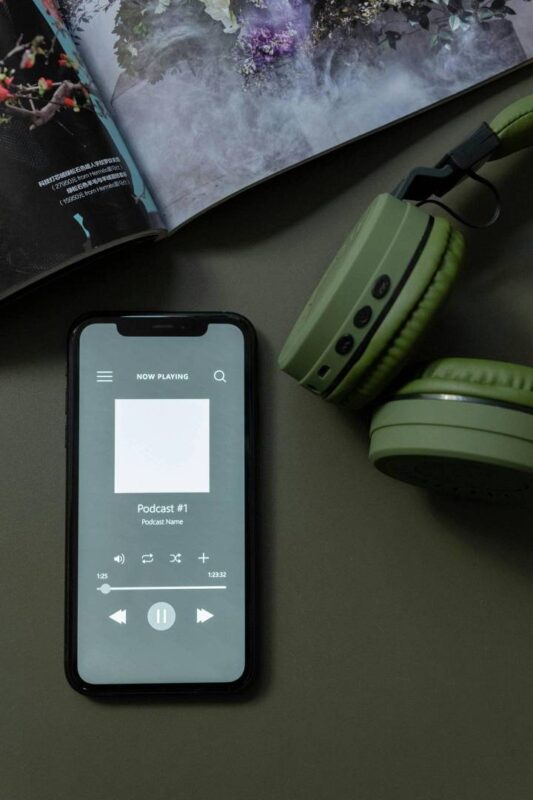
Online content creators – from YouTubers and social media agencies to freelancers – are increasingly faced with a critical question: where can you legally source music to enrich videos, podcasts, ads, or Reels? While the internet offers an abundance of tracks, using them without proper licensing can lead to serious consequences – from demonetization and content removal to financial penalties.
Licensing Matters
Music protected by copyright requires explicit permission from the rights holder before it can be used. Platforms like YouTube and Instagram strictly enforce licensing policies – even a few seconds of unlicensed audio can be automatically detected and blocked. That’s why it’s crucial to use tracks that are either royalty-free or come from commercial music libraries specifically designed for media use.
Royalty-Free vs. Free Music – What’s the Difference?
Contrary to popular belief, “royalty-free” does not necessarily mean “free of charge.” It refers to a license that allows creators to use a track multiple times without paying ongoing royalties. This is an ideal solution for video producers, ad creators, educators, and anyone who needs legal flexibility and peace of mind.
How to Choose Music That Matches Your Content
Music should support your message – not overpower it. Upbeat beats are a great match for dynamic Reels, while calm, neutral backgrounds work better for instructional videos. In advertising campaigns, music should reflect the brand’s identity. Above all, it must be legally safe – this is where specialized music libraries prove invaluable.

Where to Find Copyright-Safe Music
There’s a growing number of platforms offering legal music for creators. One of them is Closer Music – a curated library of tracks created specifically for video productions, marketing, and social media. Users can browse by style, tempo, or mood, then download tracks with the right license – ensuring full legal compliance and professional standards.
Conclusion
Music in digital content is more than just a background element – it’s a powerful influence tool. When choosing soundtracks, creators should consider both aesthetics and legal safety. Using licensed music from professional sources like Closer Music enables content creators to work confidently, consciously, and with deeper audience engagement. And that’s what every creator is ultimately striving for.