Cockroaches insecticides: how to choose the right solution for effective cockroach control
 Adam Smith
6 min read
Adam Smith
6 min read
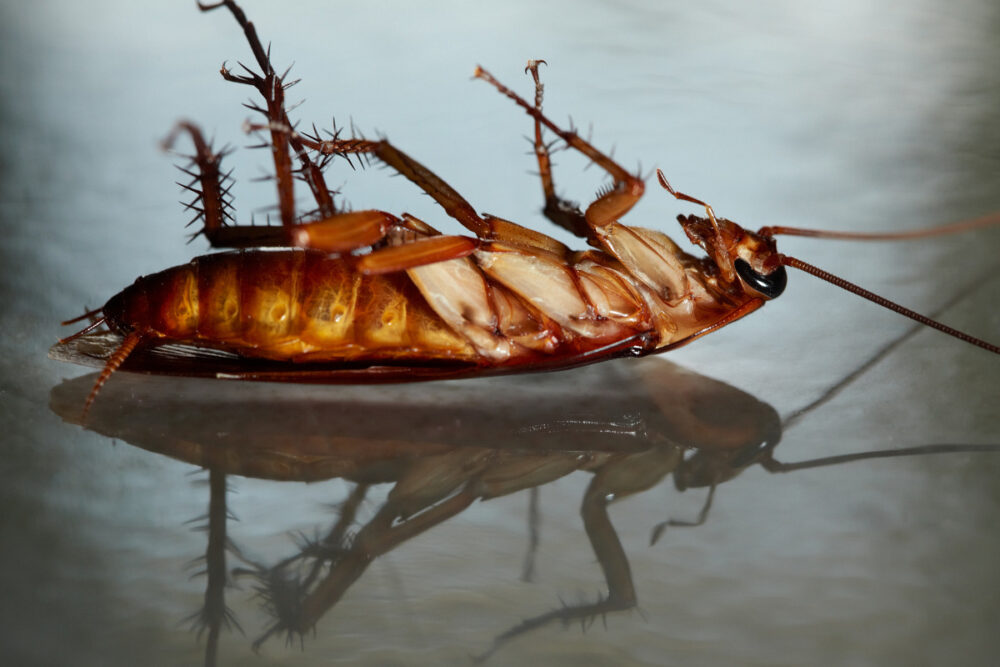
Cockroaches are among the most common and persistent household pests. Finding one crawling across your kitchen floor or disappearing behind an appliance is unpleasant enough, but the real concern goes beyond appearance. Cockroaches can carry bacteria such as Salmonella and E. coli, contaminate food preparation areas, and trigger allergies or respiratory problems through their droppings and shed skins.
Because these insects reproduce quickly and spend most of their time hidden, eliminating an infestation requires more than simply killing the cockroaches you can see. Choosing the right cockroaches insecticides and applying them correctly is essential for long-term control. The good news is that there are several effective products available, each designed for a specific purpose within a complete treatment strategy.
In this guide, you’ll learn how to recognize a cockroach infestation, explore the different types of cockroaches insecticides, and discover how to prevent these unwanted pests from returning.
How to recognize a cockroach infestation
Cockroaches are mostly nocturnal, which means they usually remain hidden during the day and become active after dark. Even if you rarely see live insects, they often leave behind clear signs of their presence.
Some of the most common indicators include:
-
Small black droppings that resemble coffee grounds or black pepper.
-
An unpleasant musty odor, especially in severe infestations.
-
Egg cases (oothecae) hidden behind appliances, inside cabinets, or in cracks.
-
Shed skins left behind as young cockroaches grow.
-
Live cockroaches appearing when lights are switched on at night.
If you notice one or more of these signs, it’s important to begin treatment as soon as possible. Cockroach populations grow rapidly, and early intervention is usually much more successful than waiting until the infestation becomes widespread.
Why choosing the right cockroaches insecticides matters
No single insecticide can solve every cockroach problem. Some products are designed to kill insects immediately after contact, while others work more slowly but spread throughout the colony. Certain formulations are intended for visible surfaces, whereas others are specifically made for narrow cracks, electrical installations, or hidden nesting sites.
For this reason, pest control professionals often combine several types of cockroaches insecticides to achieve the best possible results. Using multiple treatment methods allows you to target adult cockroaches, developing nymphs, and hidden populations at the same time.
Cockroach traps
Although traps are not usually considered a complete treatment on their own, they are valuable tools for monitoring infestations and reducing cockroach activity.
Most cockroach traps consist of adhesive boards combined with food attractants. Once attracted, the insects become trapped on the sticky surface, making it easy to confirm where cockroach activity is highest.
Placing traps behind refrigerators, beneath sinks, inside cabinets, and near garbage bins helps identify the main travel routes and allows you to evaluate whether other treatments are working effectively.
Gel baits
Gel baits are widely regarded as one of the most effective cockroaches insecticides available for residential use. Unlike contact insecticides, gel baits rely on the natural feeding behavior of cockroaches to eliminate entire colonies.
The bait contains highly attractive food ingredients mixed with an active insecticide. Cockroaches consume the gel and then return to their hiding places before dying. Other members of the colony feed on their droppings, secretions, or remains, allowing the active ingredient to spread from one insect to another.
This secondary transfer, often called the domino effect, is one of the reasons gel baits are so successful. Rather than killing only the insects that feed directly on the bait, they can gradually eliminate much larger portions of the colony.
Gel baits are typically applied in small amounts inside cracks, cabinet corners, beneath sinks, behind appliances, and other hidden locations where cockroaches frequently travel.
Ready-to-use spray insecticides
Ready-to-use sprays provide a quick and convenient solution for dealing with visible cockroaches. Since these products require no dilution or special equipment, they are ideal for homeowners who need immediate treatment.
Most sprays eliminate cockroaches through direct contact, making them particularly useful when insects are spotted around kitchen countertops, cabinets, baseboards, or utility areas. Many formulations also leave behind a residual deposit that continues killing cockroaches after the initial application.
Although ready-to-use sprays provide rapid results, they are generally most effective when combined with products that target hidden nests, such as gel baits or concentrated insecticides.
Concentrated insecticides
For larger or more established infestations, concentrated products are among the most powerful cockroaches insecticides available.
These formulations are diluted according to the manufacturer’s instructions before being applied with a sprayer. They are designed to treat larger surfaces, including floors, walls, utility areas, and spaces around plumbing where cockroaches frequently hide.
Many concentrated insecticides provide both a rapid knockdown effect and long-lasting residual protection. This means they continue eliminating cockroaches that emerge from their hiding places long after the initial treatment has been completed.
Because concentrated insecticides cover large treatment areas, they are commonly used during professional pest control programs or for severe household infestations.
Insect growth regulators and larvicidal products
Eliminating adult cockroaches is only part of the solution. If eggs and developing nymphs continue to mature, the infestation can quickly return.
Products containing insect growth regulators (IGRs) or larvicidal active ingredients help interrupt the cockroach life cycle by preventing immature insects from developing into reproducing adults.
These treatments are particularly useful around nesting areas, behind appliances, inside wall voids, and other locations where cockroaches reproduce. When combined with conventional insecticides, they significantly reduce the likelihood of future generations establishing new colonies.
Insecticidal dusts
Liquid insecticides cannot safely be applied everywhere. Electrical installations, narrow structural voids, and certain enclosed spaces require a different approach.
Insecticidal dusts are ideal for these difficult-to-reach areas. They are commonly applied behind electrical outlets where appropriate, beneath skirting boards, inside wall cavities, around utility pipes, and in other dry locations where liquid products are unsuitable.
As cockroaches move through the treated area, dust particles adhere to their bodies. During grooming, they ingest the active ingredient, which eventually leads to their elimination. Because dust remains active for long periods in dry environments, it provides excellent long-term protection against reinfestation.
Aerosol and fumigation treatments
Aerosol insecticides and fumigation products are often used as complementary treatments rather than standalone solutions.
These products release fine particles or smoke that penetrate deep into cracks, wall voids, and hidden spaces where cockroaches normally remain protected. Many aerosol formulations create a flush-out effect, forcing hidden insects to leave their shelters and move across previously treated surfaces containing residual insecticides.
This combination greatly improves treatment effectiveness, particularly in severe infestations where large numbers of cockroaches remain hidden throughout the property.
Choosing the best treatment strategy
The most suitable combination of cockroaches insecticides depends largely on the severity of the infestation.
Small infestations are often controlled successfully using gel baits together with ready-to-use sprays and monitoring traps. More extensive infestations usually require concentrated insecticides, aerosol treatments, insect growth regulators, and insecticidal dusts to reach hidden nesting sites and interrupt the reproductive cycle.
Rather than relying on a single product, combining different formulations typically delivers faster and more reliable long-term results.
Preventing cockroaches from returning
Once the infestation has been eliminated, prevention becomes the next priority. Good sanitation reduces the resources cockroaches need to survive and makes future infestations much less likely.
Clean food spills promptly, avoid leaving dirty dishes overnight, and store food in tightly sealed containers. Empty garbage bins regularly and repair leaking pipes or taps, as cockroaches are strongly attracted to moisture.
Sealing cracks around pipes, cabinets, windows, and walls also limits the number of entry points available to these insects. Regular inspections behind kitchen appliances and inside cabinets can help detect new activity before another infestation becomes established.
Final thoughts
Choosing the right cockroaches insecticides is one of the most important steps in eliminating a cockroach infestation successfully. Because these pests reproduce quickly and spend most of their lives hidden from view, effective control usually requires a combination of products rather than a single treatment.
Gel baits, ready-to-use sprays, concentrated insecticides, insect growth regulators, insecticidal dusts, aerosol treatments, and monitoring traps each play a different role in a comprehensive pest management program. When combined with proper sanitation and preventive measures, they provide reliable, long-term protection against cockroaches.
Acting quickly at the first signs of an infestation makes treatment easier, reduces the size of the colony, and helps keep your home cleaner, healthier, and free from unwanted pests.