Anti-cellulite body treatments in Beverly Hills Med Spas: What works, what to expect, and how to choose safely
 Adam Smith
6 min read
Adam Smith
6 min read
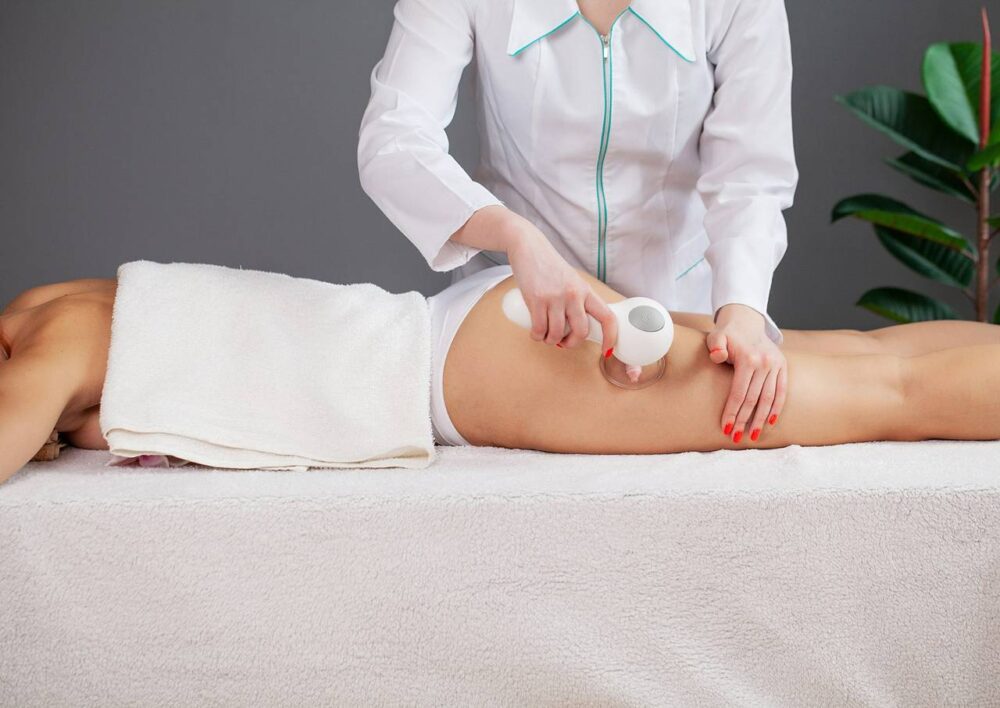
Cellulite affects up to 80–90% of women at some point in their lives, regardless of body weight or fitness level. Despite its prevalence, it remains one of the most commonly misunderstood aesthetic concerns. In high-performance aesthetic markets like Beverly Hills, patients increasingly seek medically supervised treatments that address cellulite safely and effectively — not just temporary cosmetic smoothing.
Cellulite affects up to 80–90% of women at some point in their lives, regardless of body weight or fitness level. Despite its prevalence, it remains one of the most commonly misunderstood aesthetic concerns. In high-performance aesthetic markets like Beverly Hills, patients increasingly seek medically supervised treatments that address cellulite safely and effectively — not just temporary cosmetic smoothing.
Modern medical spas (med spas) now offer advanced anti-cellulite body treatments that go far beyond topical creams or massage-based approaches. Among the facilities providing physician-supervised body contouring and skin-tightening treatments is The M Day Spa, where anti-cellulite protocols are incorporated into structured aesthetic treatment plans.
This article explores the science behind cellulite formation, the most commonly used medical treatments, how they differ from traditional spa services, and what patients should consider before booking a procedure.
Understanding cellulite: What causes it?
Cellulite is not simply “fat under the skin.” It results from structural interactions between fat deposits, connective tissue bands (fibrous septae), skin thickness, and circulation.
Several biological factors contribute to its appearance:
-
Fibrous connective bands pulling down on the skin
-
Subcutaneous fat pushing upward
-
Reduced collagen and elastin
-
Hormonal influences (particularly estrogen)
-
Genetic predisposition
-
Decreased skin elasticity with aging
The characteristic “dimpling” or “orange peel” texture typically appears on:
-
Thighs
-
Buttocks
-
Hips
-
Abdomen
Because cellulite involves both fat distribution and connective tissue structure, effective treatment often requires more than simple fat reduction.
Why traditional solutions fall short
Over-the-counter creams, dry brushing, and massage therapies may temporarily improve circulation or skin hydration, but they do not structurally alter fibrous septae or significantly stimulate collagen remodeling.
Temporary smoothing may occur due to:
-
Increased blood flow
-
Mild swelling
-
Surface-level hydration
However, long-term structural change requires medical-grade technology.
This is where modern med spas differ from conventional day spas.
What defines anti-cellulite treatment in a Medical Spa?
A reputable med spa operates under medical supervision and uses clinically validated devices. Anti-cellulite protocols typically involve:
-
Energy-based devices (radiofrequency, ultrasound)
-
Collagen stimulation
-
Targeted fat disruption
-
Connective tissue remodeling
-
Skin tightening technologies
In regulated environments such as California, treatments must comply with medical oversight standards.
Facilities such as The M Day Spa integrate anti-cellulite procedures within a medically supervised framework, ensuring safety, appropriate candidacy screening, and realistic expectation management.
Common medical anti-cellulite treatments
While specific device offerings vary by provider, several categories dominate in aesthetic hubs like Beverly Hills.
1. Radiofrequency (RF) skin tightening
Radiofrequency devices deliver controlled thermal energy into deeper dermal layers, stimulating collagen production and improving skin firmness.
Benefits may include:
-
Increased skin tightness
-
Improved elasticity
-
Gradual smoothing of mild to moderate cellulite
RF treatments are typically non-invasive with minimal downtime.
2. Acoustic wave or shockwave therapy
Acoustic wave therapy uses mechanical vibrations to:
-
Improve circulation
-
Break down fibrous septae
-
Stimulate lymphatic drainage
Multiple sessions are often required to achieve noticeable improvement.
3. Laser-assisted cellulite reduction
Some advanced systems target fibrous bands beneath the skin while stimulating collagen. These treatments may provide longer-lasting structural change compared to surface-level modalities.
4. Injectable treatments for cellulite
Certain FDA-approved injectable treatments are designed to enzymatically release fibrous septae responsible for dimpling. These procedures must be performed by qualified medical professionals.
5. Combination therapy protocols
Many providers adopt multi-modal approaches that combine:
-
Radiofrequency
-
Mechanical stimulation
-
Collagen induction
-
Body contouring
This layered strategy addresses cellulite from multiple biological angles.
Who is an ideal candidate?
Anti-cellulite med spa treatments are typically suitable for individuals who:
-
Maintain a stable weight
-
Have mild to moderate cellulite
-
Seek non-surgical improvement
-
Prefer minimal downtime
These treatments are not weight-loss procedures. Instead, they aim to improve skin texture and smoothness.
Patients with significant skin laxity or large-volume fat deposits may require different interventions or surgical consultation.
A full consultation is essential before initiating treatment.
What to expect during a consultation
At reputable facilities like The M Day Spa, consultations typically involve:
-
Medical history review
-
Skin and tissue evaluation
-
Assessment of cellulite grade
-
Discussion of treatment options
-
Clear explanation of expected outcomes
Providers should outline:
-
Number of sessions required
-
Maintenance recommendations
-
Potential side effects
-
Realistic timelines
Ethical practice includes setting achievable goals rather than promising complete elimination.
Treatment experience and downtime
Most non-invasive anti-cellulite treatments involve minimal downtime.
Common temporary side effects may include:
-
Redness
-
Mild swelling
-
Tenderness
-
Temporary warmth in treated areas
Patients can usually resume normal activities shortly after treatment, depending on the modality used.
Injectable treatments may involve slightly longer recovery.
How many sessions are needed?
Cellulite improvement typically requires multiple sessions spaced several weeks apart.
Results are often gradual because collagen remodeling takes time.
Maintenance sessions may be recommended to preserve improvements, particularly as natural aging processes continue.
The role of collagen in cellulite improvement
Collagen plays a crucial role in skin thickness and firmness.
As collagen declines with age:
-
Skin becomes thinner
-
Dimples become more visible
-
Elasticity decreases
Many anti-cellulite treatments focus on stimulating collagen production rather than simply reducing fat.
This regenerative approach aligns with the broader aesthetic philosophy in Beverly Hills, where subtle structural enhancement is often preferred over aggressive intervention.
Can lifestyle changes help?
While lifestyle adjustments cannot eliminate cellulite entirely, they may support treatment outcomes:
-
Strength training to improve muscle tone
-
Adequate hydration
-
Balanced nutrition
-
Consistent weight management
-
Sun protection to preserve collagen
Medical treatments often work best when combined with healthy habits.
Safety and regulatory considerations
Because anti-cellulite procedures involve energy-based devices or injectables, safety depends heavily on provider expertise.
Patients should confirm:
-
Practitioner licensing
-
Physician supervision
-
FDA-cleared technology
-
Transparent risk disclosure
-
Post-treatment follow-up support
In California, aesthetic treatments fall under medical regulatory frameworks, reinforcing patient safety.
Managing expectations: What results Look like
It is important to understand that most non-surgical anti-cellulite treatments improve the appearance of dimpling but may not eliminate it entirely.
Typical outcomes may include:
-
Smoother texture
-
Improved skin firmness
-
Reduced depth of dimples
-
Enhanced contour uniformity
Results vary based on:
-
Cellulite severity
-
Skin thickness
-
Age
-
Hormonal factors
-
Treatment adherence
Clear communication between patient and provider is key.
Psychological and confidence factors
Cellulite is common and medically harmless, yet it can affect body confidence.
In aesthetic-focused communities like Beverly Hills, patients often seek treatments to feel more comfortable in fitted clothing, swimwear, or athletic wear.
Responsible med spas emphasize body-positive messaging while offering structured solutions for those who choose treatment.
Anti-cellulite treatments vs. Surgical options
Surgical procedures, such as subcision techniques, may offer more dramatic correction for severe cellulite. However, they involve:
-
Local anesthesia
-
Recovery time
-
Higher procedural risk
Non-surgical med spa treatments offer:
-
Lower risk
-
Minimal downtime
-
Gradual improvement
-
Reversible options
Treatment choice depends on severity and personal preference.
The future of cellulite treatment
Research in aesthetic medicine continues to evolve.
Emerging directions include:
-
Biostimulatory injectables
-
Advanced connective tissue remodeling devices
-
Combination collagen-induction protocols
-
Improved imaging for precise treatment planning
As technology advances, the focus remains on safe, measurable, and natural-looking outcomes.
Choosing the right Med Spa
When selecting a provider for anti-cellulite treatment, prioritize:
-
Medical oversight
-
Transparent consultation
-
Conservative treatment planning
-
Evidence-based technology
-
Realistic outcome discussion
Facilities such as The M Day Spa integrate anti-cellulite services within a medically supervised environment, ensuring that treatments are delivered responsibly.
Conclusion: A structured Approach to smoother skin
Anti-cellulite body treatments in modern med spas represent a significant advancement beyond cosmetic creams and massage therapies. By targeting collagen production, connective tissue remodeling, and skin tightening, medical-grade treatments offer structured improvement for individuals seeking smoother skin texture.
In aesthetic centers like Beverly Hills, standards emphasize safety, subtle enhancement, and medically guided care.
When performed under appropriate supervision — such as at The M Day Spa — anti-cellulite treatments can form part of a balanced body-contouring strategy focused on realistic outcomes and long-term skin health.
As with any aesthetic procedure, informed decision-making remains essential. Patients who prioritize expertise, transparency, and medically sound practices are best positioned to achieve results that align with both their expectations and their overall well-being.